“We will pay the price, but we will not count the cost.”
— Rush, “Bravado”
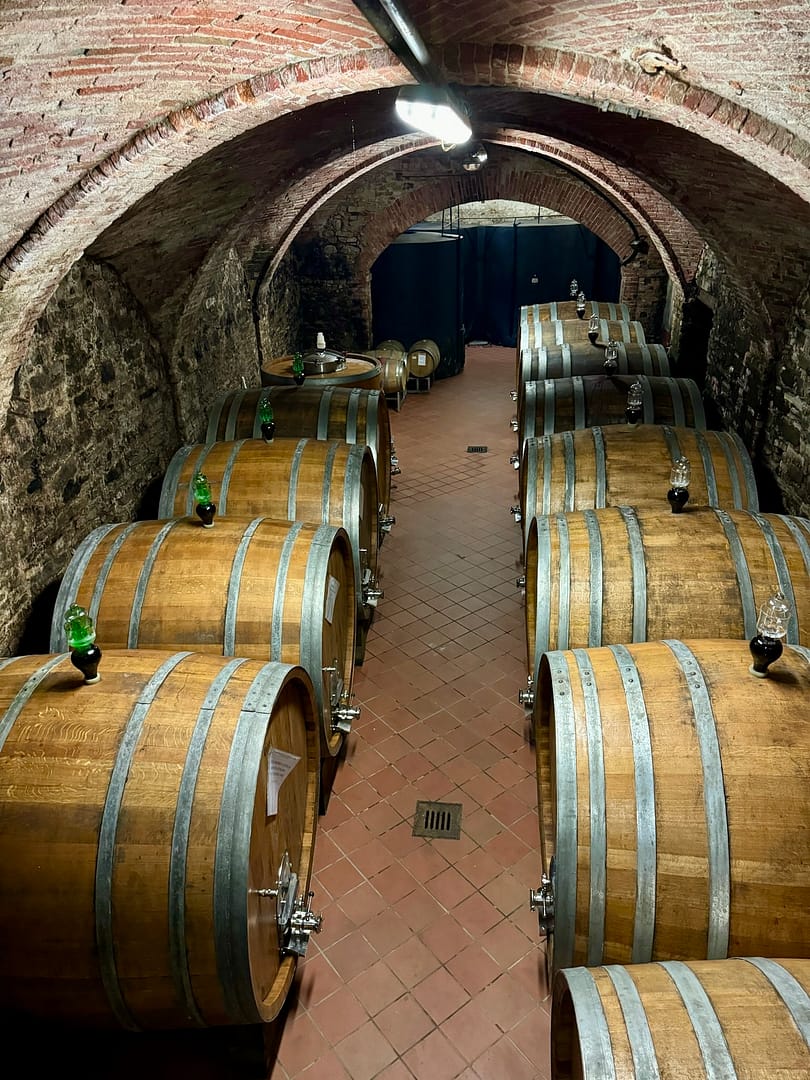
There is a bottle of 2019 Barolo in my cellar — a Serralunga from a small producer I found on our last trip through Piedmont — that I have been thinking about opening for the better part of six months. Not because it isn’t ready. Not because the occasion hasn’t arisen. But because lately, every time I reach for it, I find myself doing arithmetic.
That is new. And I don’t entirely like it.
The tariffs hit in the way that most unwelcome truths do: gradually, then suddenly. A 10% levy last spring, then 15% in August. The math, multiplied through the three-tier distribution system that governs how wine moves in this country, lands on the shelf as something closer to 50% on certain bottles. The Burgundy I used to bring home for a Thursday dinner has quietly disappeared from my local merchant’s shelves. The entry-level Champagne I used to keep for toasts has been replaced by a gap where it used to be.
I am a man who came to wine late — my 40th year, on an anniversary trip to Italy with Lisa — and who fell hard. Not for the labels or the scores, but for the stories. For the winemaker in Valpolicella who took us through his cellar and talked about his grandfather’s vines. For the way a glass of Châteauneuf-du-Pape in the Rhône Valley tastes like the garrigue, the heat-soaked earth, the particular afternoon in which you are sitting. Wine, for me, has always been travel made liquid — a way of going somewhere even when you are home in Williamsburg or Dallas on a Tuesday evening.
And now someone has put a toll on the road.
I have spent some time being irritated about this. I have spent some time reading the policy arguments, the trade economics, the predictions for what the European vintners will or won’t absorb. But I keep coming back to the same place: the arithmetic doesn’t change what I love. It only changes what I’m willing to pay for it.
Which brings me back to Rush.
“Bravado” is one of those songs I have always heard as being about the nature of commitment — the choice to keep going, not because you don’t understand the cost, but because you have decided the cost is worth bearing. If love remains, though everything is lost, we will pay the price, but we will not count the cost. It is a lyric about a particular kind of loyalty: not blind, not naïve, but deliberate. Eyes open. Wallet out.
That is, I think, the only honest answer to what these tariffs ask of someone like me.
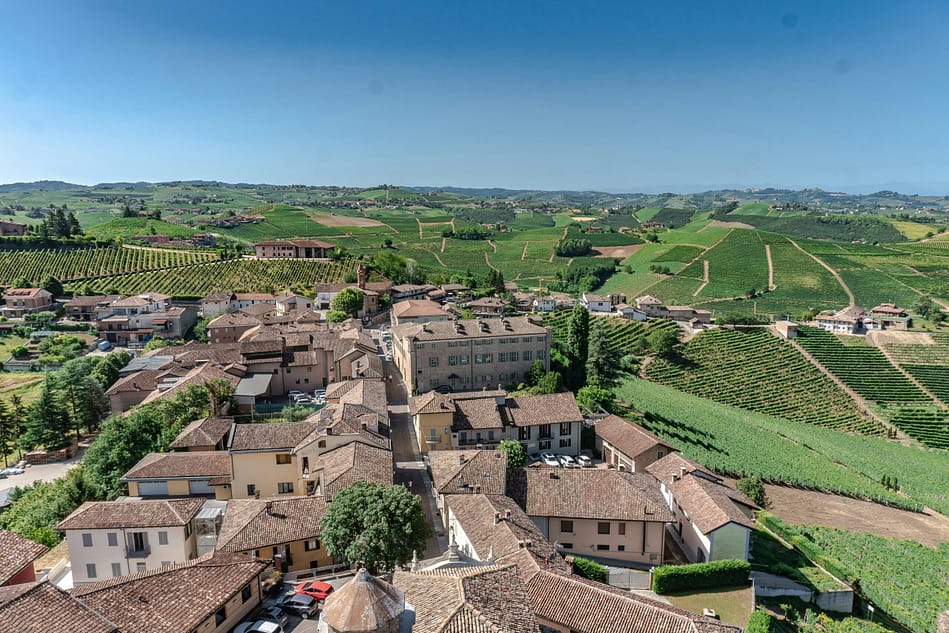
The Barolo from Serralunga is worth more than what I paid for it. Not because the label says so, or because a critic has assigned it a number, but because I stood in that vineyard on a cold November morning, and the winemaker’s daughter brought out a plate of salumi, and we drank the previous vintage from tumblers, and that afternoon lives in me now in a way that a spreadsheet cannot account for. You cannot tariff a memory. You can only make it more expensive to make new ones.
That said — and I mean this seriously — this moment is also an invitation.
One of the genuinely happy effects of disruption is that it forces exploration. And the wine world, right now, is full of extraordinary bottles that have been living in the shadow of more famous names.
A few places I have been paying closer attention to:
The Loire satellite appellations. Menetou-Salon, Quincy, Reuilly — three small appellations sitting on the same Kimmeridgian limestone as Sancerre, growing the same Sauvignon Blanc and Pinot Noir, and costing roughly two-thirds the price. The sommeliers know. The word is getting out. If you love Sancerre, these are not consolation prizes. They are the same argument, spoken more quietly.
Portugal. Touriga Nacional is having a moment, and rightfully so — a grape of extraordinary structure and dark-fruit depth, grown in the Douro and Alentejo at prices that would embarrass a comparable Bordeaux. I keep a few Portuguese bottles in the cellar now not as substitutes for anything, but because they have earned their place on their own terms.
The American cellar. I say this as someone who spent years looking heavily to Europe: there are remarkable things happening in Oregon, in the Willamette Valley, in parts of California that are not Napa. The tariffs are, in their way, a nudge to look closer to home — and not always a reluctant one.
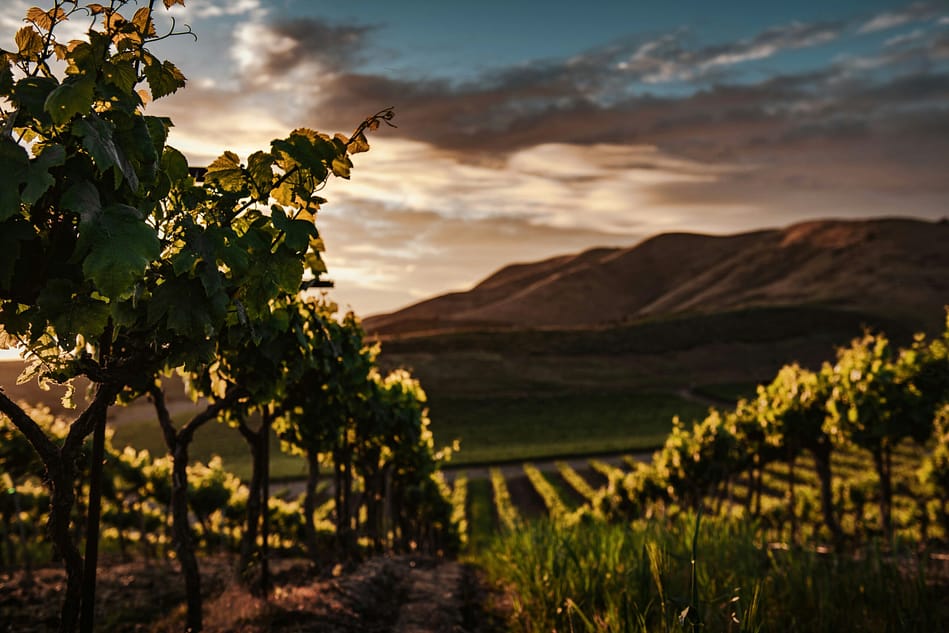
The 2019 Barolo is still in the cellar. I am going to open it soon — probably on a quiet weekend evening with Lisa, with something simple to eat, in no particular hurry. I will not do the calculation of what it cost against what it might cost to replace it. That is not the kind of accounting that interests me.
The price of love, Rush understood, is not really about money. It is about what you are willing to keep showing up for, year after year, tariff or no tariff, vintage by vintage, glass by glass.
Every bottle tells a story. Some are just more eloquent than others. And some stories, it turns out, are worth every penny.
Discover more from Bottle Musings
Subscribe to get the latest posts sent to your email.