“To arrive where we started, and know the place for the first time” — T.S. Eliot
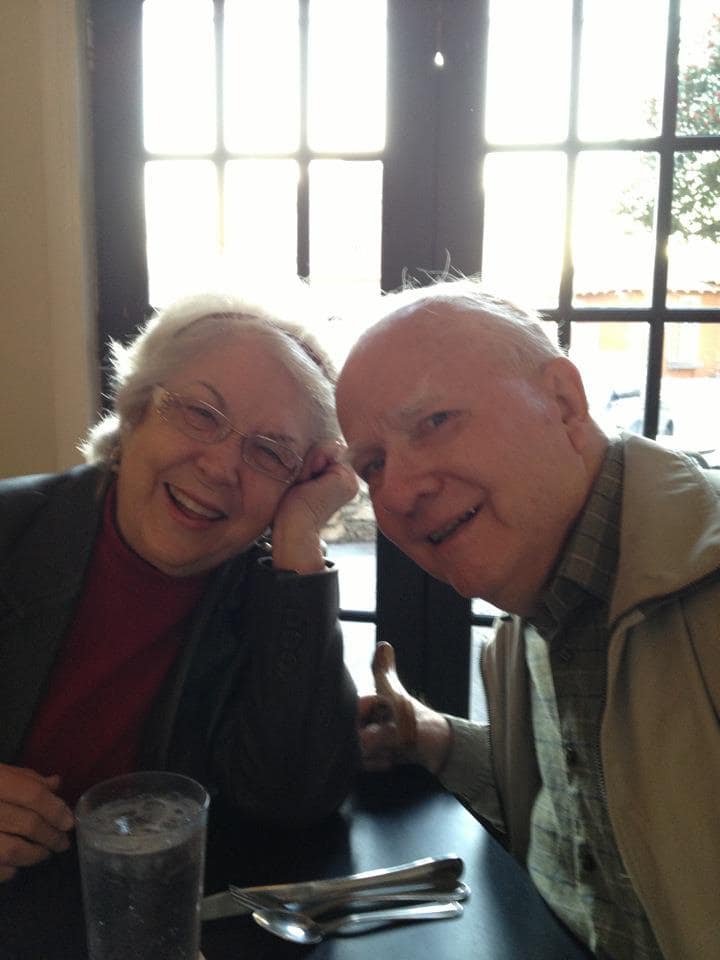
My parents never drank wine.
Not out of conviction — they weren’t the type to make you feel small for enjoying something they didn’t. It simply wasn’t part of where they came from, the rhythms they’d built their life around. In their later years, a doctor suggested a glass now and then might do them good. They tried. They were gracious about it, the way they were gracious about most things. But it never quite took.
Which is its own kind of poetry, when I think about it. Because everything wine has come to mean to me — the slowing down, the attention, the willingness to be present with the people across the table — I learned first from them. They just used different materials.
I grew up as the son of the pastor of First Baptist Church in Teague, Texas. If you don’t know Teague, that’s all right. It’s a small town in Central Texas, about an hour from Waco — which was where we went when we needed the world to be a little larger. Movies, shopping, the occasional sense that commerce existed. Teague itself had very little of that. What it had was people. And in the way of small towns built around a church and a courthouse and not much else, that turned out to be everything.
Being the pastor’s kid meant you lived slightly in public. People knew your name and most of them knew your business, and the line between the church and the community was more suggestion than boundary. There was a weight to that, but mostly it was a gift — it meant you grew up understanding that your life was connected to other people’s lives in ways that mattered, that what you did and said and became was never entirely a private affair.
My father took that seriously. So did my mother. And so, eventually, did I.
We traveled, camped, and vacationed in various places around the country when I was young — the kind of trips where you learn, without anyone saying so directly, that the world is larger and quieter and more generous than your ordinary week suggests. And then there were the grandparents’ worlds, each one its own country. My mother’s people came from Huntington, deep in the heart of East Texas where, after my grandfather’s retirement from the Texaco oil refinery in Port Arthur, my grandparents spent lots of time on the family farm where mom herself had been born in the farmhouse. My father’s parents, also after a long career at the Texaco refinery, retired to a piece of property on the edge of what is now the Big Thicket National Preserve — that dense and ancient forest that feels like it’s been keeping its own counsel since long before anyone thought to ask. To visit either set of grandparents was to enter a different kind of time. Slower. Rooted. Unapologetically particular to that piece of earth.
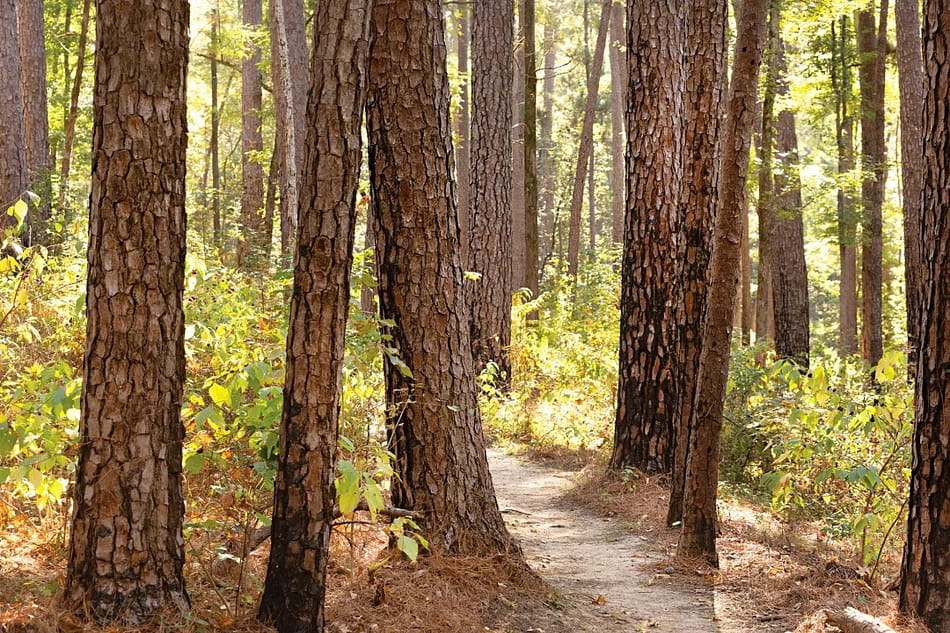
They gave me, without ever using the word, a capacity for terroir.
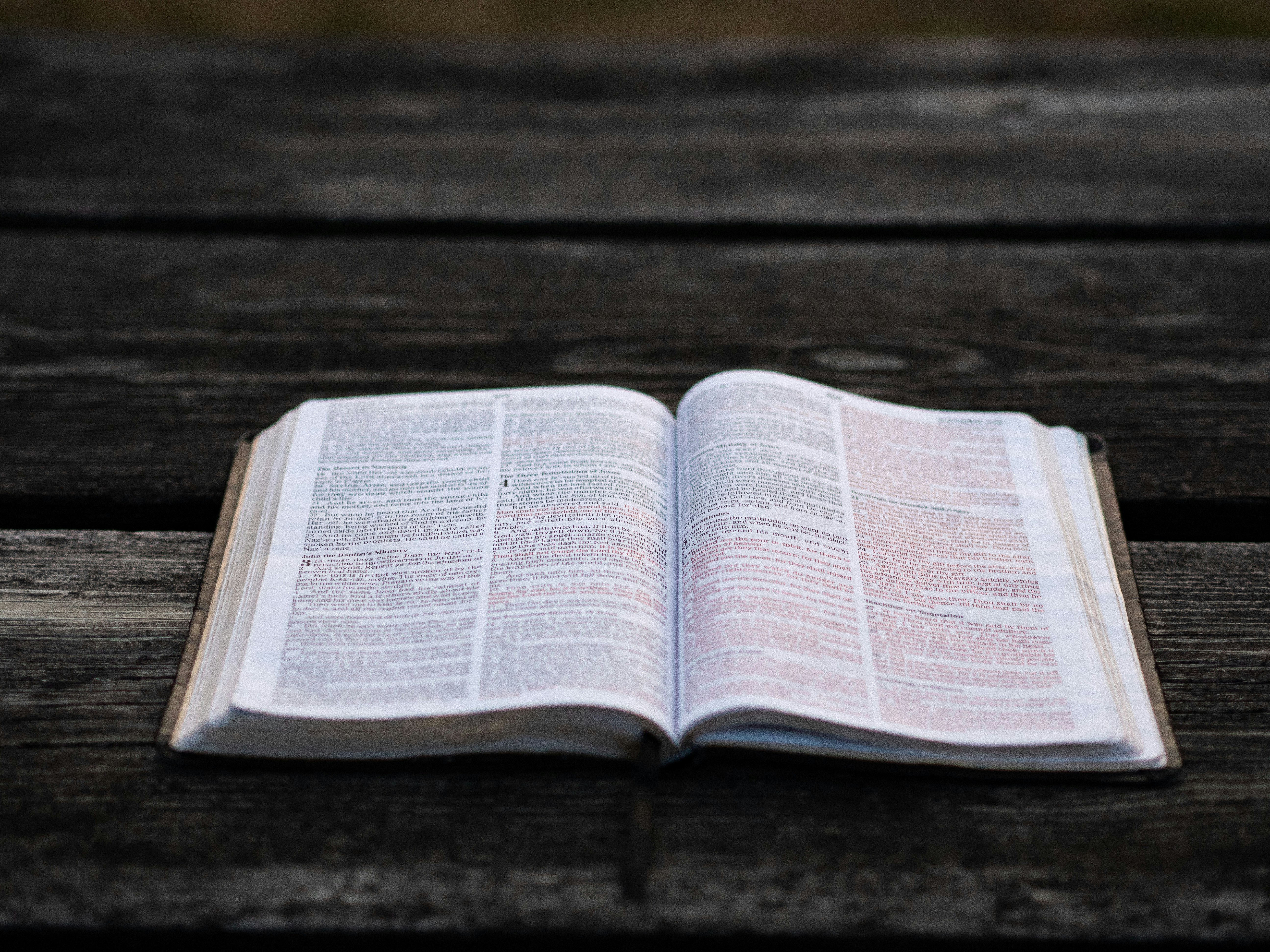
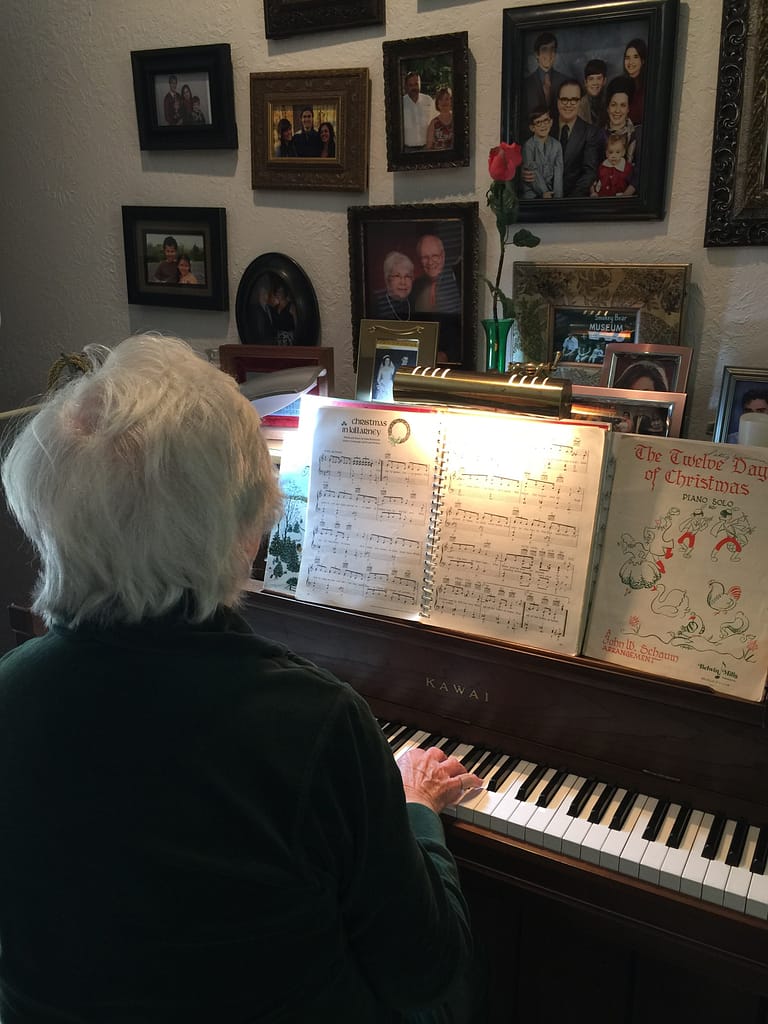
Back in Teague, there were Sunday dinners after church, my mother at the piano teaching me that some things must be practiced before they’ll give themselves to you, my father with his Bible open in the early morning, showing me by example what it looks like to organize a life around something bigger than yourself.
I left Teague nearly fifty years ago. I’ve been back only a handful of times. But that town — its people, its unhurried seriousness, its instinct that life is best lived in community and that beauty is worth paying attention to — has never left me. The influences that form us early don’t require our continued presence to hold their power. They just become part of the soil.
I came to wine on my own, later. And what I found in it felt immediately familiar. A great bottle, like a great piece of music, doesn’t yield everything at once. It asks something of you — patience, attention, a willingness to sit with complexity rather than resolve it too quickly. Beethoven didn’t write the late quartets to be heard once. Cézanne painted Mont Sainte-Victoire more than sixty times, each canvas a slightly different conversation with the same mountain. The Barolo you open tonight has been having a conversation with time for perhaps a decade or more, and it will tell you something different in the first glass than it will in the last.
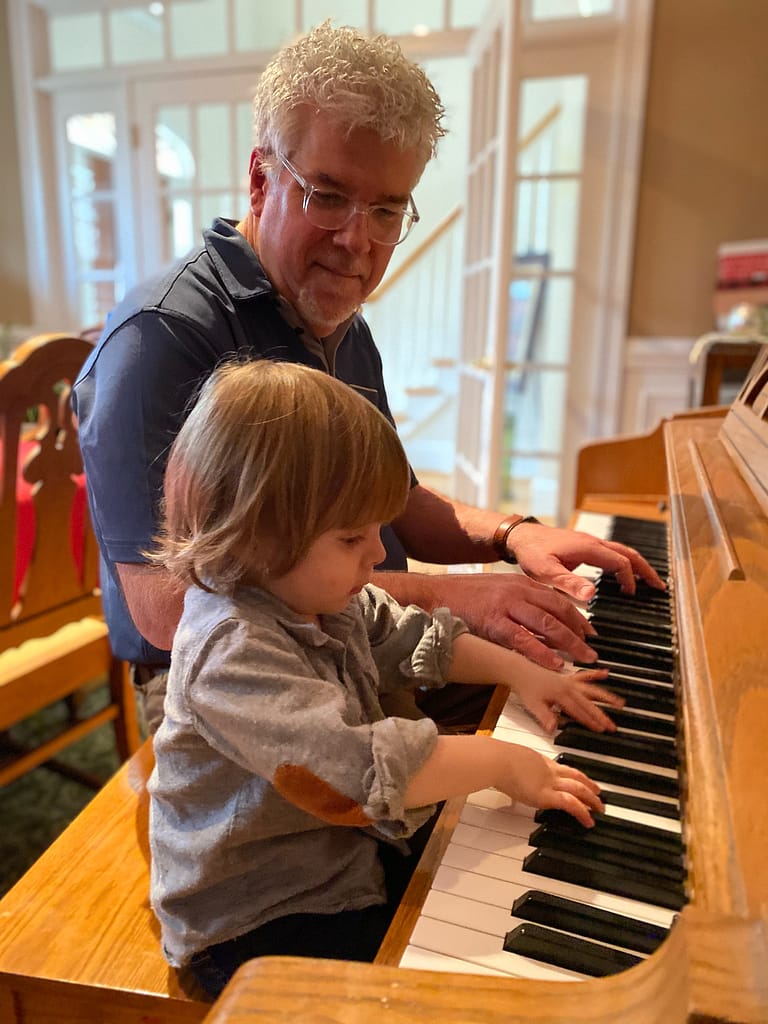
My parents understood all of that — not about wine, but about life. About faith. About the kind of love that doesn’t diminish with familiarity but deepens with it.
The faith I grew up with in that small Baptist church has traveled a long road with me. It hasn’t narrowed — if anything, it’s become the foundation from which I’ve learned to appreciate everything else more fully. It sent me toward literature and music and art not as distractions but as extensions — other languages in which beauty and meaning and grief and hope are being expressed. It is the reason I can stand in an abandoned abbey in Burgundy and feel something genuine, or read Wendell Berry on the obligations of place and nod slowly, or open a bottle from a family vineyard that has been tending the same hillside for four generations and understand that as a kind of devotion.
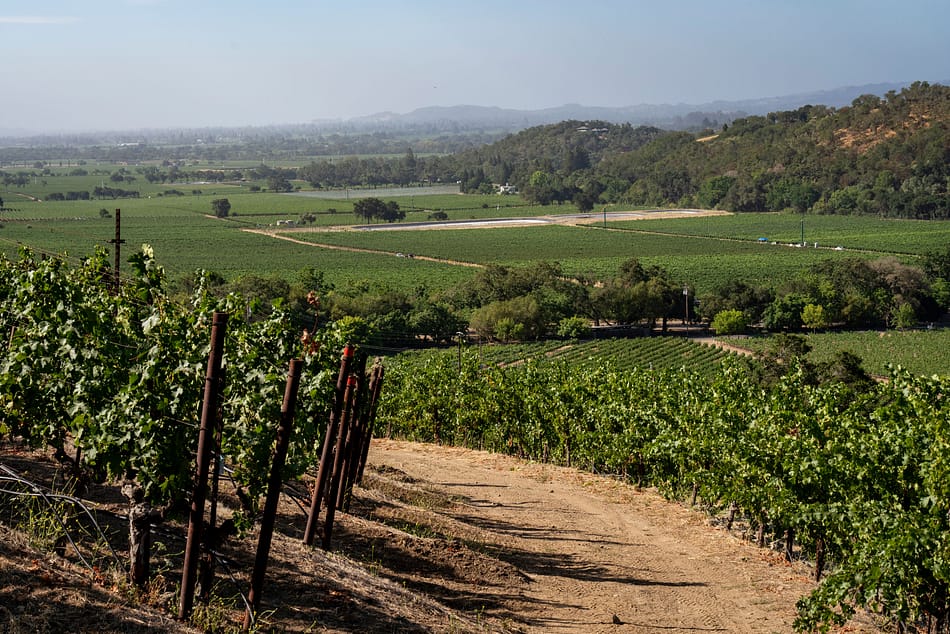
Wine, at its best, is a devotional act. It is the patient work of human hands on a particular piece of earth, shaped by climate and care and time, offered at a table in the company of people you love. That is not so far from what my father was doing every Sunday morning in Teague, Texas.
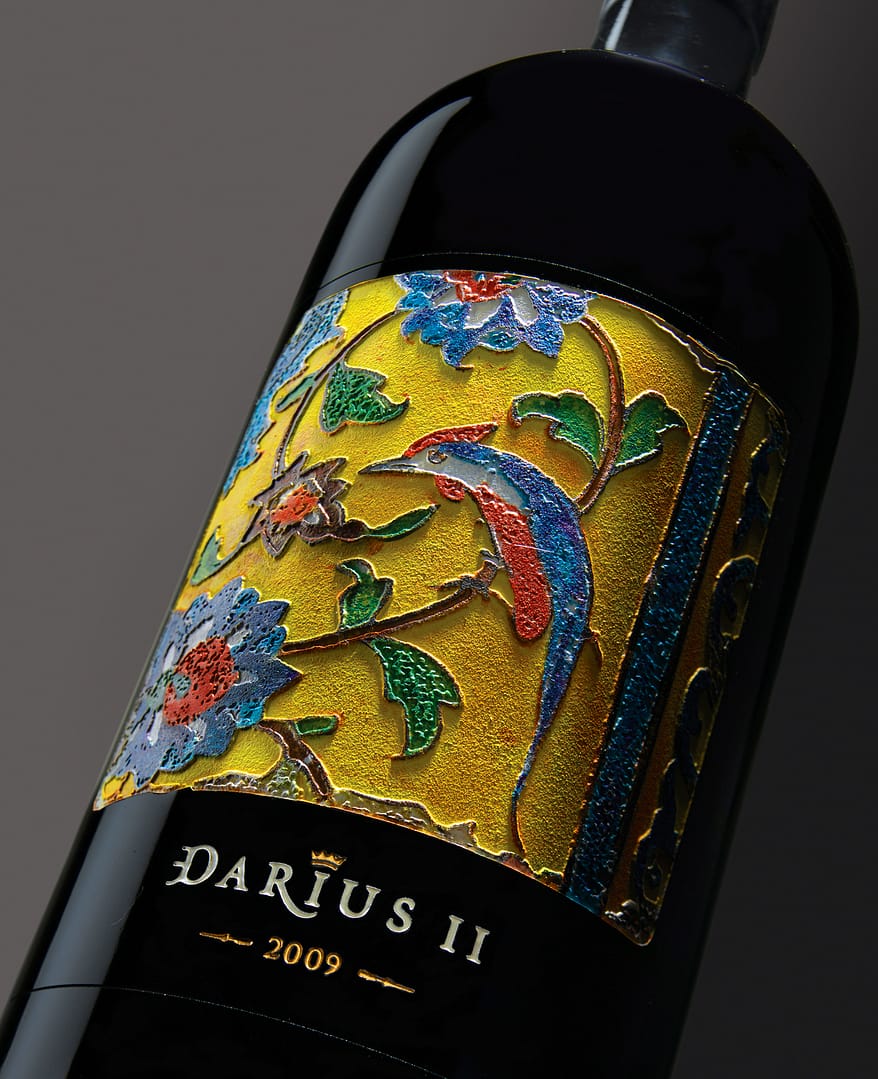
There’s a bottle of Darius II from Darioush in my cellar I’ve been thinking about lately. My parents never would have shared it with me — not out of reluctance, just out of a lifelong distance from the language of wine. But the conversation I want to have when that bottle opens — unhurried, honest, alive to the moment, grateful for what’s been given and curious about what’s still coming — that conversation they taught me. Every camping trip, every Sunday dinner, every piano scale, every morning they spent with an open Bible.
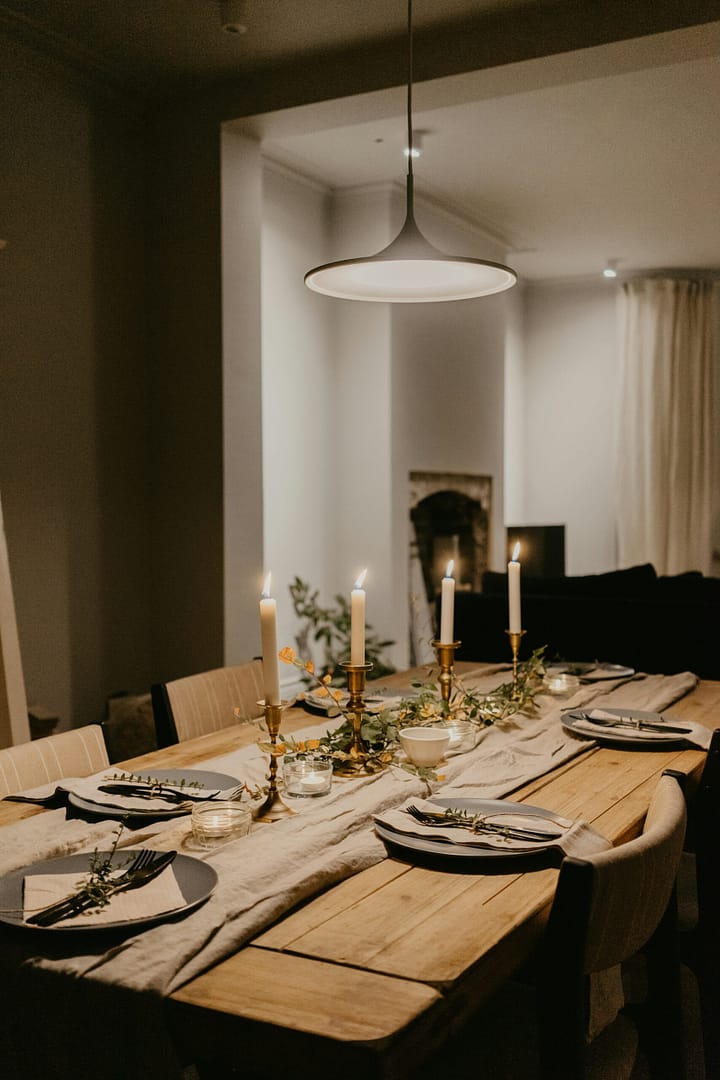
I’ve been living in a strange space lately. My mother has been gone seven years. My father, five. And I am now, unmistakably, the generation on the front edge of the wave. My children are adults. My grandchildren are forming the memories that will one day define them. Someday — not soon, God willing, but someday — they’ll sit around a table and talk about me the way I now sit quietly and talk about my parents.
It’s not morbid. It’s clarifying.
What I want to leave them isn’t complicated, though it isn’t simple either. A sense of humor that coexists with a seriousness of soul. A willingness to question everything, including myself. A love for beauty wherever it shows up — in a Schubert sonata, in a paragraph of Marilynne Robinson, in the way late afternoon light falls across a vineyard in autumn, in a glass of something worth thinking about. An appreciation for where I came from and a genuine excitement about where I’m going. The recognition that the inner life is larger than the outer one, if you tend it. And a love for the past and the future that somehow manages not to miss the present.
And Lisa. After 45 years, still Lisa. The way I hope they remember how I looked at her will say more than anything I could write down.
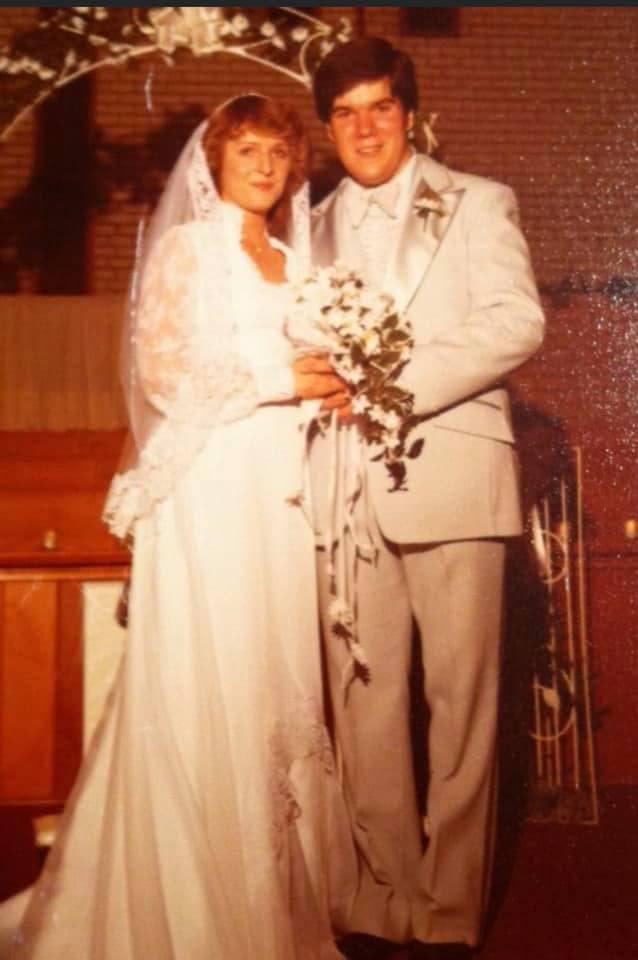
My parents tried wine in their final years and never quite got there. That’s all right. They got to everything else first. They got to the things wine, for me, is always pointing toward — the people, the table, the unhurried hour, the conversation that matters.
That Darius II is going to be opened soon. I’ve decided it should be while I can still tell the story. While someone across the table can look at me the way I used to look at my father — like there’s something here worth paying attention to — and carry a little of it forward into a life I’ll never fully see.
The wine is just a door.
What we’re really pouring is everything they gave us.
Photo credits: Aaron Burden / Unsplash, Benjamin Merkle / Unsplash, Toa Heftiba / Unsplash
Discover more from Bottle Musings
Subscribe to get the latest posts sent to your email.