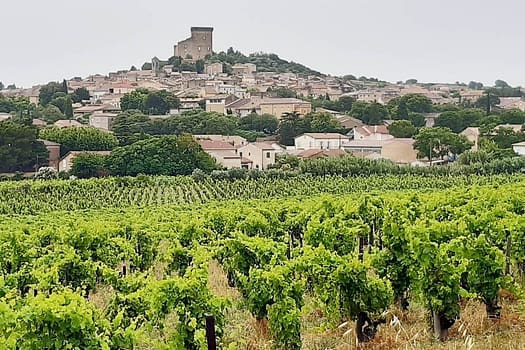
There are wines you analyze—and wines you enter.
Châteauneuf-du-Pape has always belonged to the second category for me. Not because it demands reverence, but because it invites memory.
The story begins in the early 14th century, when the papacy relocated from Rome to Avignon. Pope John XXII looked across the Rhône Valley and saw a sun-washed rise of stones and wind. He built a castle there—the Pope’s New Castle—but more importantly, he cultivated a vision. He encouraged vineyards, regulated production, and treated wine not as excess, but as something worthy of discipline and care. Ordered joy. Stewardship before the word became fashionable.
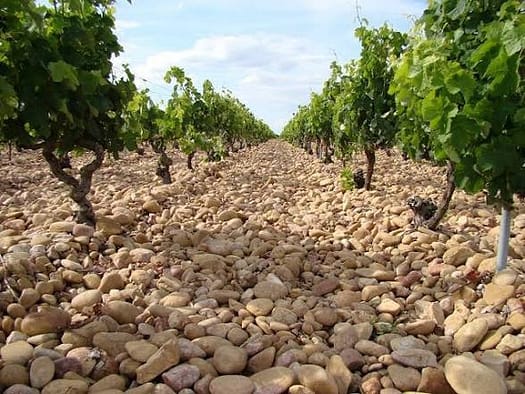
The vineyards themselves still preach the sermon. Those famous galets roulés—the smooth, round stones scattered across the ground—absorb heat during the day and release it at night, quietly tending the vines while the world sleeps. Grenache thrives here, supported by Mourvèdre’s gravity and Syrah’s lift. Thirteen permitted varieties, not to encourage chaos, but harmony. Different voices. One place.
Centuries later, after wars and phylloxera nearly erased it all, Châteauneuf-du-Pape became one of France’s first AOCs. Boundaries drawn. Yields limited. Alcohol minimums enforced. A declaration that place matters, and that restraint is not the enemy of beauty.
Even the bottle carries a reminder—the papal crest embossed in glass. Not marketing, but accountability. This wine answers to something higher than trend.
And yet, for all its history, Châteauneuf never feels complete when it’s discussed in isolation.
Because wine—real wine—doesn’t reach its purpose until it’s shared.
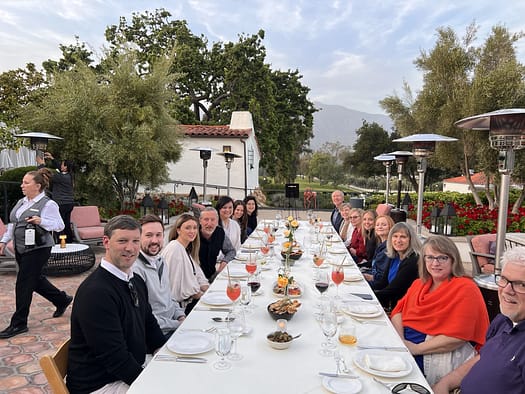
I’ve found that the best bottles don’t dominate a table; they pace it. They slow conversation just enough. They invite listening. They create a rhythm where stories surface naturally—about children and work and loss and gratitude. No one leads with tasting notes. Someone eventually lifts a glass and says, “This is really good,” but what they mean is this moment.
Wine has always understood something we often forget: presence matters. It resists hurry. It asks us to sit, to look up, to pass the bottle and ask, “More?”—and to mean it in more than one way.
It’s no accident that the most sacred meal in Christian memory wasn’t built around spectacle, but a table. Bread broken. A cup shared. Friendship sealed not by perfection, but proximity.
Wine doesn’t create friendship—but it creates space for it. Space where laughter grows warmer, silence grows meaningful, and time loosens its grip.
So when I open a bottle of Châteauneuf-du-Pape with friends, I’m not just drinking something shaped by stones, sun, and centuries. I’m participating in one of humanity’s oldest rituals:
Come, sit with me. Let’s remember who we are together.
That, in the end, may be the truest tasting note of all. 🍷