
Why Texas Wine—and Benjamin Calais—Deserve a Second Look
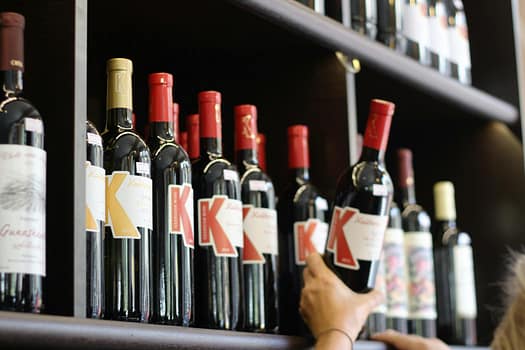
I’ve been fortunate to taste wine in some of the great regions of the world. From the Rhône to Barolo, from Paso Robles to Hunter Valley, I’ve stood in cellars old and new, listened to growers talk about soils and seasons, and learned to appreciate how deeply wine is shaped by place, patience, and people.
And yet—despite all those miles and all those bottles—I remain unapologetically Texan.
Texas is home. It formed my palate long before I knew what tannin management or whole-cluster fermentation meant. I love this state—the scale of it, the confidence of it, the stubborn refusal to be dismissed. That love extends naturally to Texas wine, even when the rest of the world hasn’t quite caught up.
Which is why the work of Benjamin Calais matters so much.
Benjamin Calais didn’t come to Texas to imitate France. He came to raise expectations.
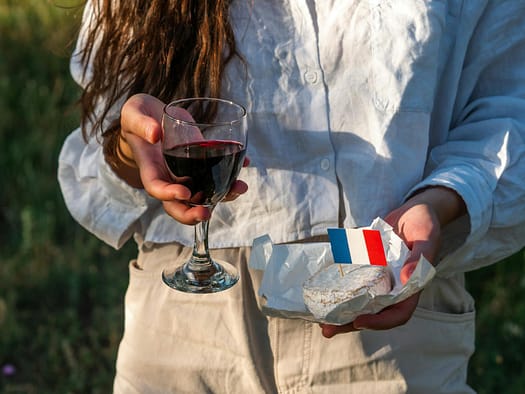
A French-born winemaker who found his professional home in the Texas Hill Country, Ben brings Old World discipline to New World possibility. At CALAIS winery, he has become one of the clearest examples of what Texas wine can be when ambition is matched with integrity. His commitment to working with 100% Texas-grown fruit, to vineyard relationships, to thoughtful yields and careful élevage, is not marketing—it’s conviction.
These are wines made with intention. They’re not trying to shout over Napa or cosplay Bordeaux. They’re saying, calmly and confidently: Pay attention.
What I admire most is that Ben doesn’t cut corners in order to win arguments. He raises the bar instead. Native fermentations when appropriate. French oak used judiciously. Gravity flow rather than pumps. Wines that respect texture, structure, and balance rather than sheer extraction. This is craftsmanship that assumes the drinker is paying attention.
Through French Connection Wines, that same philosophy finds a complementary expression—particularly with Rhône varieties that make remarkable sense in the Texas climate. These wines don’t apologize for where they’re from. They lean into it.
And here’s the quiet truth: Texas wine no longer deserves to be judged by its outliers.
Yes, this is a young industry. Yes, the climate is challenging. But those challenges are not unlike what the Rhône, southern Italy, or Australia have faced—and overcome—through careful matching of site, variety, and technique. The best Texas producers today are not experimenting blindly; they are learning deliberately.
Benjamin Calais is among those leading that learning curve.
For those who dismiss Texas wine out of hand, I’d offer a gentle challenge: taste again. Taste thoughtfully. Taste what’s being made now by people who respect both tradition and terroir. You may not find replicas of Europe—but you’ll find wines with honesty, character, and increasing precision.
As someone who loves great wine wherever it’s grown, and who carries Texas with me wherever I go, I find that deeply encouraging.
Texas doesn’t need to prove it can be something else.
It just needs to keep becoming itself.
And thanks to winemakers like Benjamin Calais, that future is already in the glass. 🍷